.png)
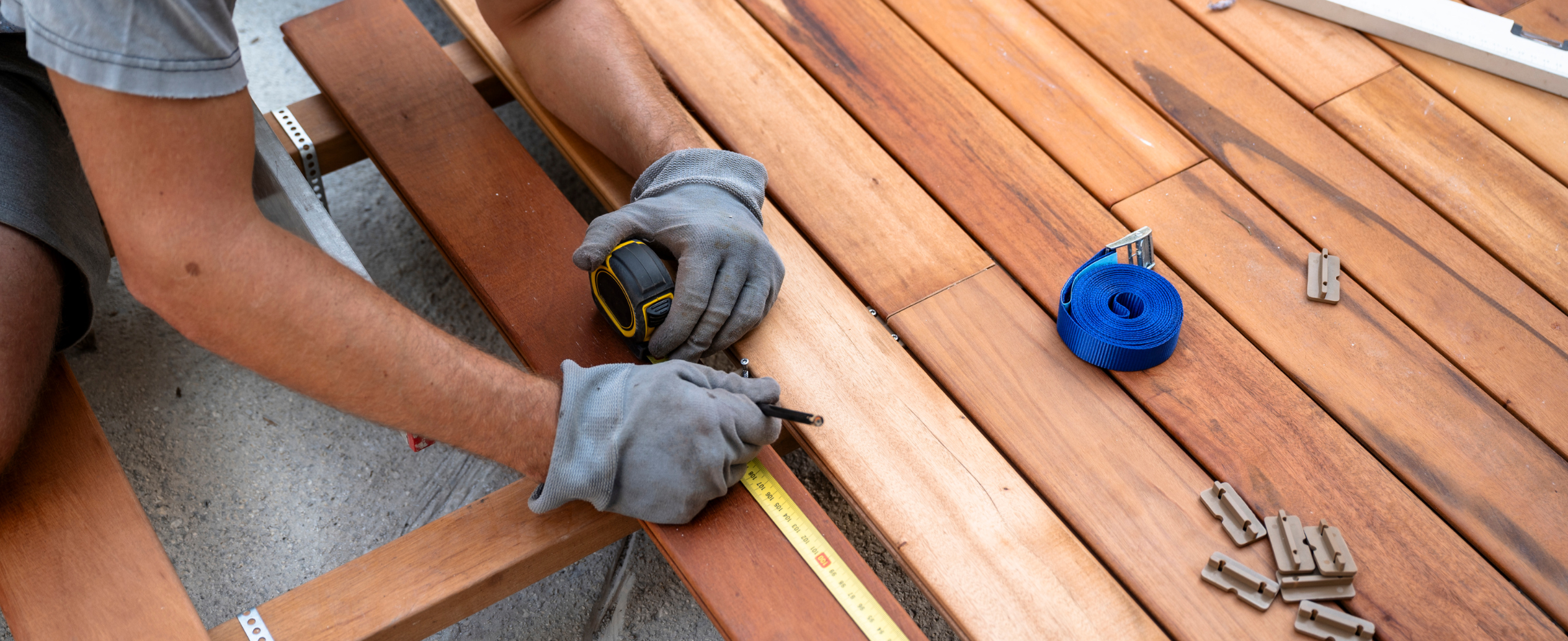
Connecticut Deck Repair vs. New Build: What’s Best This Year?
A deck can look “fine” on the surface while hiding serious issues underneath, especially in Connecticut, where rain, snow load, humidity, and freeze/thaw cycles punish wood and fasteners. That’s why the real question isn’t just repair vs. rebuild. It’s:
Is your deck’s structure still sound, and will repair money extend its life long enough to be worth it?
In this guide, you’ll learn how to inspect a deck like a pro, spot rebuild red flags, compare cost drivers, understand material choices that make sense in CT this year, and plan a project that’s safe, good-looking, and long-lasting.
Want a real inspection and a straightforward recommendation? Start here: Request a Free Quote
See what we do: Services · View results: Gallery
Section 1: Why Connecticut Decks Fail Faster Than You Expect
Connecticut decks take a beating from:
- Moisture that sits on boards and in joist bays
- Winter snow loads and ice expansion in joints
- Freeze/thaw cycles that open checks and loosen fasteners
- Humid summers that swell wood and stress coatings
- Ground contact rot in posts and stair stringers
Many decks don’t “collapse suddenly”, they deteriorate slowly until one day:
- railings wobble
- The stairs pull away.
- boards soften
- The deck feels bouncy.
- or a ledger connection fails
Safety is the priority, and it’s the deciding factor between repair and rebuild.
Section 2: The Quick Answer: Repair vs. Rebuild (Rule of Thumb)
Repair makes sense when:
- The frame (joists/beam/posts/ledger) is structurally sound.
- Rot is limited to surface boards or a small area.
- You want a refresh, better railings, safer stairs, and improved looks.
- The deck is generally within modern safety expectations.
Rebuild makes sense when:
- The ledger board is compromised or improperly flashed.
- Posts are rotted at the grade, or footings are failing.
- Multiple joists are compromised.
- The deck has major bounce/sag.
- Stairs are structurally unsafe.
- Your layout no longer fits your life (and repairs won’t fix flow)
The difference is “skin” vs “bones.”Boards and railings are skin. Ledger/beam/posts/joists are bones.
Section 3: Deck Safety Inspection Checklist (Use This Before You Spend)
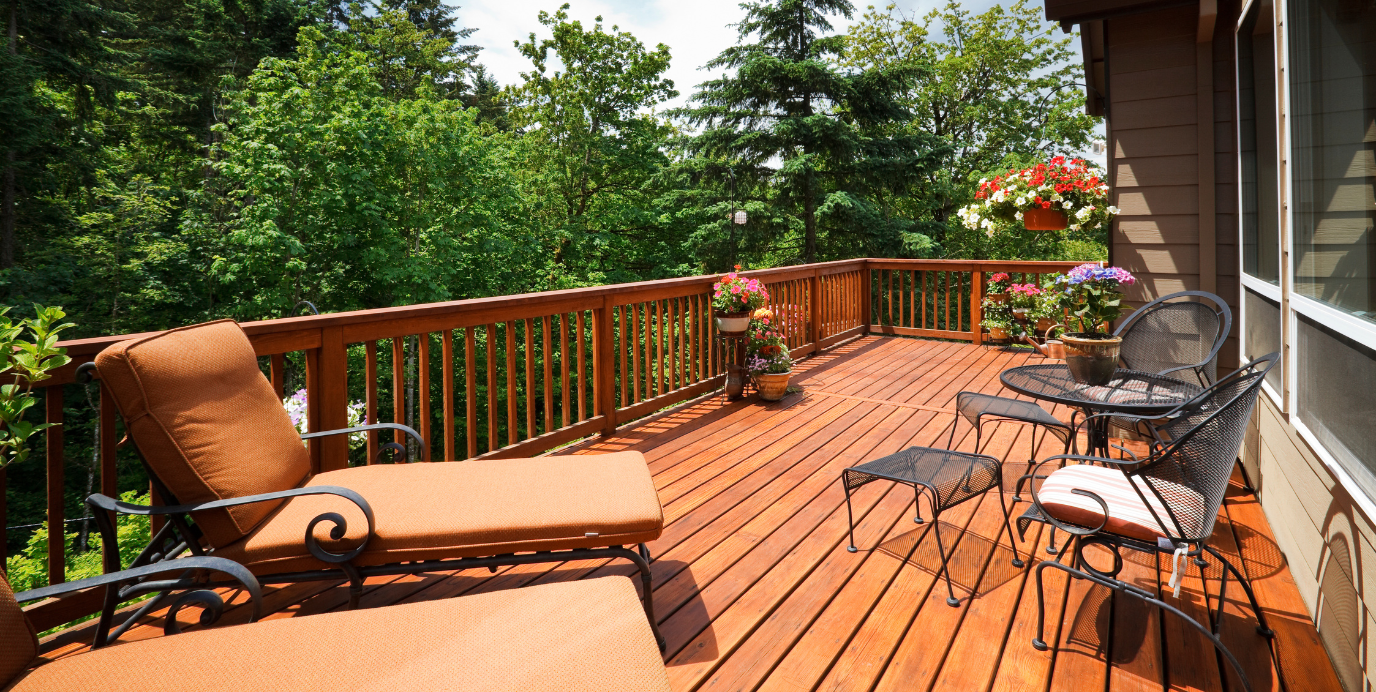
If you can, do this on a dry day with good light.
A) The Ledger Board (Most Important)
The ledger connects the deck to your house. If the ledger fails, the deck can pull away.
Red flags
- No visible flashing above the ledger
- Rotting wood at the house connection
- Fasteners that look like nails instead of structural bolts
- Water staining around the ledger area inside the basement (rim joist)
Rebuild warning: If the ledger attachment/flashing is incorrect, the safest fix is often to rebuild the connection properly.
B) Posts & Footings
In CT, post bases and footings must be designed to withstand frost depth and moisture.
Red flags
- Posts buried in soil or touching dirt
- Soft wood at the bottom of the posts
- Tilting posts or footings that look shifted
- Nails in structural connections instead of proper hardware
C) Joists & Beams
Look underneath.
Red flags
- Joists splitting at hangers
- Hangers rusted through or were missing nails/screws
- Joists sagging
- Soft spots when you probe with a screwdriver
D) Deck Boards
Surface boards can often be replaced without rebuilding if the structure is good.
Red flags
- Spongy boards
- Splintering, large checks
- Nails popping up
- Major cupping that creates trip hazards
E) Railings & Stairs (Big Liability)
Railings are a safety system, not a decoration.
Red flags
- Wobble when you shake.
- Loose posts
- Spacing that could allow kids to slip through
- Stair stringers are pulling away.
- Missing graspable handrail on stairs
Want a professional inspection and repair/rebuild recommendation?Book through Contact and we’ll give you clear options.
Section 4: Repair Projects That Offer Great ROI
If the deck structure checks out, repairs can deliver major value.
1) Replace Deck Boards + Fasteners
A full re-deck (new boards on the existing frame) can make a deck feel brand new.
Upgrade fasteners
- Replace nails with exterior-rated screws.
- Use structural screws where required.
- Add hidden fasteners (for certain board types) if desired.
2) Railing Upgrade (Safety + Style)
Many older decks have railings that don’t meet modern expectations.
Popular CT railing upgrades:
- Composite railing systems
- Aluminum railings (durable, clean)
- Wood railings rebuilt with correct spacing and strong posts.
3) Stair Rebuild or Reinforcement
Stairs are often the first area to fail.
A stair refresh can include:
- New treads and risers
- Reinforced stringers
- Proper handrails
- Improved lighting
4) Drainage Improvements
Water sitting on the framing accelerates rot. Options include:
- Improved gaps between deck boards
- Under-deck drainage systems
- Corrected pitch and runoff strategy
- Gutter/downspout adjustments nearby
5) Deck Lighting & Safety Features
Low-voltage lighting transforms usability in early-dark CT seasons:
- Stair lights
- Post cap lights
- Under-rail lighting
- Motion sensor entry lights
Section 5: When Rebuilding Is the Smarter (and Cheaper) Move
Rebuild isn’t always more expensive long term, especially if repairs are “throwing good money after bad.”
Rebuild triggers:
- Compromised ledger board or missing flashing
- Multiple structural members with rot
- The posts are failing at grade.
- Footing issues
- A deck that’s too small / awkward layout
- You want a composite, and the frame spacing isn’t suitable.
If you’re planning to upgrade to composite decking, you may need:
- Joist spacing adjustments
- Stronger framing and hardware
- Better drainage and ventilation for long life
A rebuild lets you correct the foundation and layout simultaneously.
Section 6: Cost Drivers (What You’re Actually Paying For)
Deck budgets vary widely, but these factors move the cost:
- Size and height (second-story decks cost more)
- Accessibility and demolition complexity
- Structural corrections (ledger, beam replacement)
- Material choice (pressure-treated vs composite/PVC)
- Railing system (wood vs aluminum)
- Stairs and landings
- Lighting and electrical
- Permits and inspection requirements
High-value mindset: Prioritize structural integrity and water management. Fancy surface boards don’t matter if the frame fails early.
Section 7: Best Decking Materials in CT This Year
Pressure-Treated Wood (PT)
- Budget-friendly
- It can look great with staining.
- Requires maintenance
- Can splinter/check over time
Best for: homeowners who don’t mind staining/sealing and want lower upfront costs.
Composite Decking
- Low maintenance
- Durable and consistent look
- Higher upfront cost
- Needs correct frame spacing and ventilation
Best for: homeowners who want a “set it and forget it” long-term solution.
PVC Decking
- Premium durability
- Great moisture resistance
- Often cooler/cleaner look options
- Highest cost tier
Best for: high-exposure decks and homeowners prioritizing minimal upkeep.
Railings
- Aluminum: durable, sleek, great long-term
- Composite: cohesive with boards
- Wood: classic but higher maintenance
Section 8: Timeline (Repair vs Rebuild)
Typical repair timeline
- 1–3 days for board/railing repairs
- 3–7 days for a full re-deck + stair rebuild
- More if custom railings or lighting are added.
Typical rebuild timeline
- 1–2 days demo
- 3–10 days framing + decking (size dependent)
- Additional time for inspections, stairs, lighting, and railings
Weather matters in CT. We schedule for safe conditions and plan materials accordingly.
Section 9: Permits & Code Considerations in CT
Permits depend on the scope and the town. Common triggers:
- New deck builds
- Structural modifications
- Height thresholds
- Stair and railing changes
- Footings and ledger work
Even when permits aren’t required, building to safe standards matters. Rail spacing, graspable handrails, and secure posts protect your family and reduce liability.
Section 10: How to Choose Repair vs Rebuild (Decision Framework)
Answer these questions:
- Is the ledger properly attached and flashed?
If no → rebuild or major structural correction. - Are posts and footings solid?
If failing → rebuild likely. - How many joists/structural members are compromised?
If more than a small percentage → rebuild often makes more financial sense. - Do you want a new layout, a bigger deck, or different materials?
If yes → rebuild may be the smarter investment. - Do you plan to sell in 2–5 years?
A safe, upgraded deck (even repaired) can boost curb appeal and buyer confidence—especially if railings and stairs are updated.
Section 11: What Makes a Deck Feel High-End (Even on a Budget)
You don’t need a luxury budget; these details elevate quickly:
- Clean, consistent board spacing and straight lines
- Proper stair geometry and strong handrails
- Railing posts that don’t wobble (critical)
- Picture-frame border on composite decks
- Post caps and subtle lighting
- Hidden fasteners where appropriate
- Clean trim transitions at the house
If you want a “clean finish carpentry” deck look, that’s where our background shines.See examples in the Gallery.
FAQs
Can you repair just the boards and keep the frame? Yes, if the frame is structurally sound. We’ll inspect and advise.
Is composite worth it in CT? Often yes for low maintenance, but the frame must be correct and well-ventilated.
How do I know if my ledger is safe? Ledger issues are often hidden. We inspect flashing and attachment methods and can access rim areas when needed.
Do railings need to be replaced if they wobble? Usually, yes, because wobble often indicates post-connection failure.
Ready for a Real Answer (Not a Guess)?
Deck decisions should be based on structure, not opinions. We’ll inspect, identify red flags, and provide a clear repair vs. rebuild recommendation with transparent pricing.
Call us today to get a free quote. Carpentry & Handyman Concepts
Explore services: Services
Start Planning Your Project With A Free Quote!
Book Your Free EstimateRead our latest blog
Flexible Financing With Klarna
We’ve partnered with Klarna to make your next project stress-free. Split your payments into easy installments, enjoy transparent pricing, and get the home upgrades you need now, without waiting.
.png)
Customer Reviews
"Thank you so much, I am very pleased with your work. All of the doors look great. I appreciate your suggestion to do all of the doors, including the inside doors. Much more elegant. You have a great team."

-Susan K.
"Dave was very easy to work with and his prices were reasonable. He would come by to check on his crew and the job. I would definitely recommend Carpentry and Handyman Concepts."

-Kathy L.
"David, and his team are highly skilled pro’s and very knowledgeable about the business, they do an excellent job! I highly recommend them if you are in need of Carpentry And Handyman services."

-Blaine B.
"I would highly recommend Dave from Carpentry and Handyman Concepts. They were efficient, professional, and very knowledgeable. I will definitely have them back at my house for my next project."

-Ashley R.
"Dave and his guys did a great job on a couple of jobs I needed done. So great that I’ve already referred them to someone else! I will definitely be using them again."

-Pam F.
"I would hire David Grecco again in a heartbeat. They were professional, experienced, and good people. I will definitely use him again! Thank you, Linda"

-John O.

Our Location & Business Information
Proudly serving Fairfield County, CT, including Norwalk, Westport, New Canaan, Darien, and Wilton. We deliver licensed, insured, and reliable carpentry, remodeling, and handyman services.