.png)
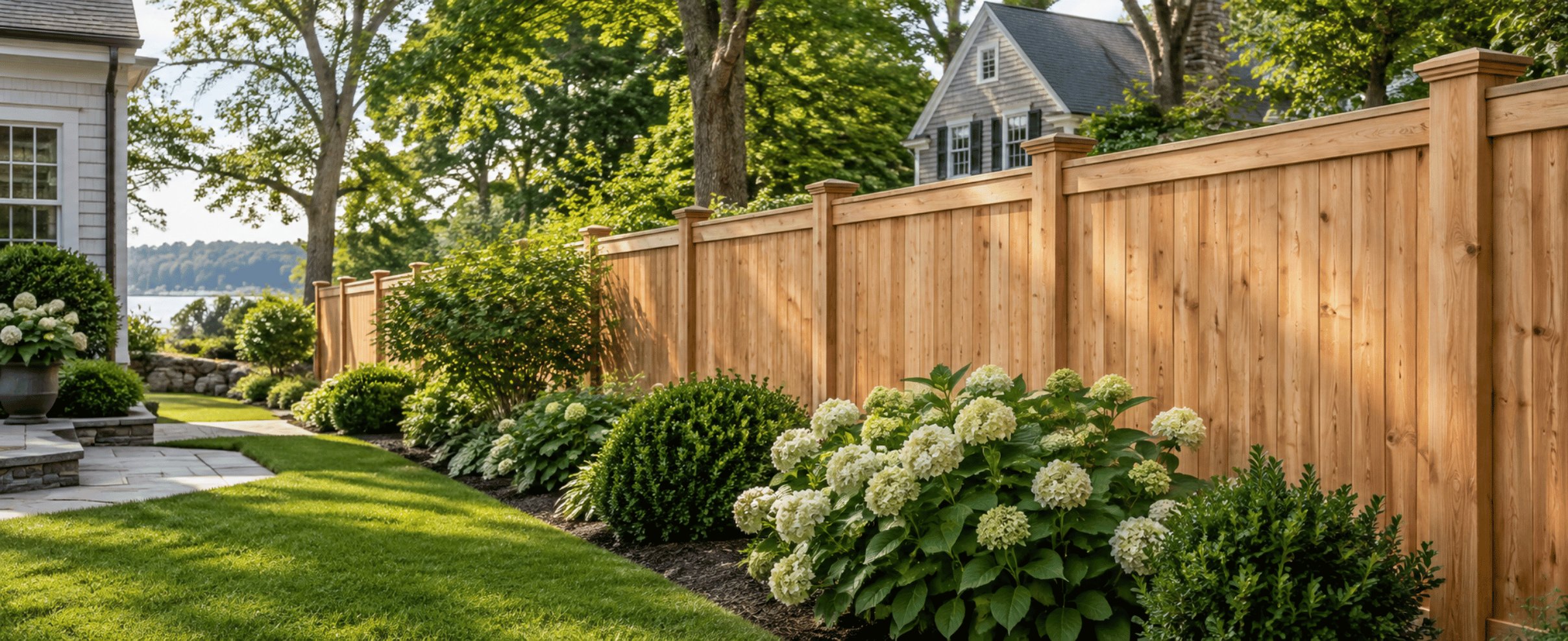
Fence Installation and Repair for Connecticut Properties
A homeowner in Darien calls us in March about a cedar privacy fence that went in straight two autumns ago. Now four posts have lifted, the run has a wave in it, and the gate will not latch. The problem was never the pickets. It was the shallow holes under the posts and the frost that pushed them up every winter. Fence installation and repair in Connecticut is decided below grade, before a single panel is hung.
This guide covers the three things behind almost every fence problem we see in Norwalk, Westport, New Canaan, Darien, Wilton, Stamford and the rest of Fairfield County: where the property line really is, how deep the posts went, and what the town required. We also compare materials, cover gates and costs, and explain when repair beats replacement and when to hire it out.
Start With the Property Line, Not the Fence Style
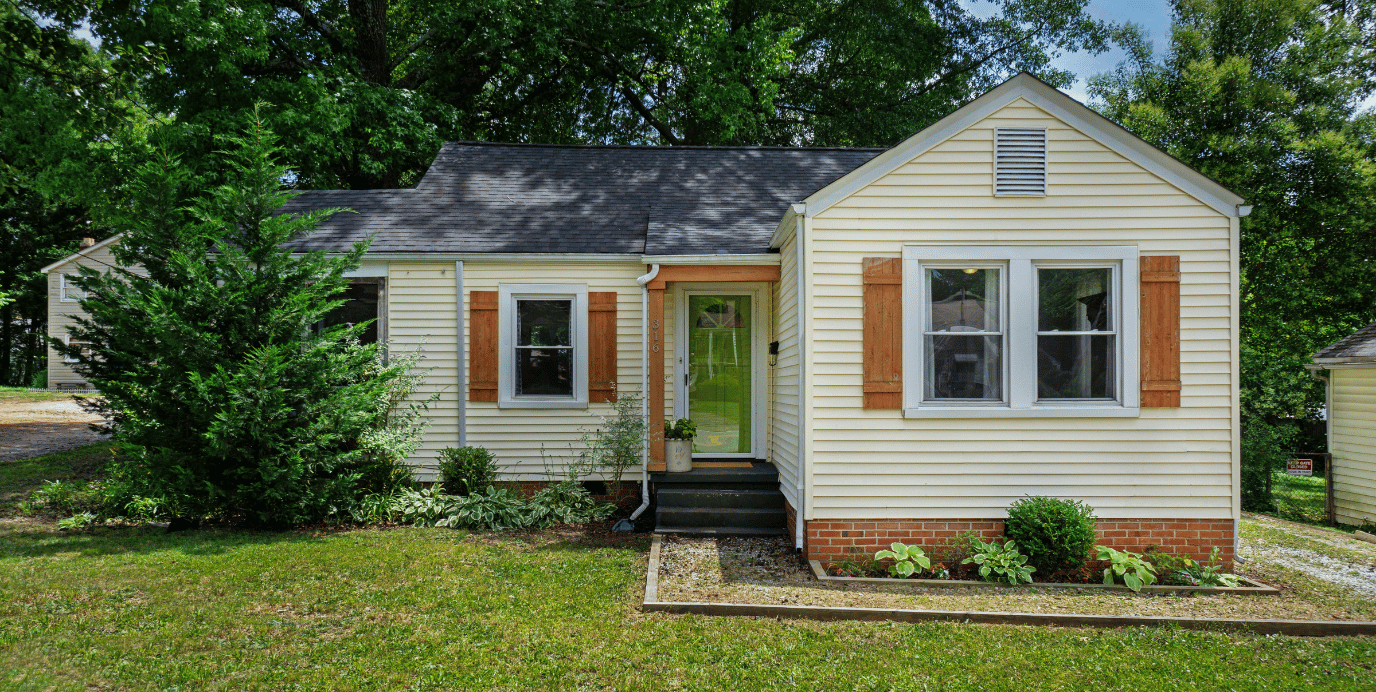
A fence built over the property line may have to come out, at your cost, after a dispute with a neighbor you still have to live next to. Most homeowners do not know where their line is. They know where the mowing stops or where the old hedge sits. A stone wall that has stood for a century is evidence of something, but it is not automatically the line.
How to locate the boundary before digging
Here is the order we recommend before any digging:
Connecticut boundary fence law in plain terms
Connecticut has statutes on division fences between two properties. Towns designate fence viewers (usually the selectmen) who can be called on in a dispute. If a viewer finds a division fence insufficient and the responsible party does not repair it, the other party may do the work and pursue recovery of costs. Connecticut also addresses spite fences, built primarily to annoy a neighbor. Much of this framework arose in a farming context, so it does not set the rules for a backyard fence in Darien. Your town's zoning regulations do that, and a real boundary dispute is a job for a surveyor and, if needed, an attorney.
Permits, Zoning and Town Rules for Fences in Fairfield County
Two separate approvals can be involved.
Building permit versus zoning
Under the exemption list applied in Connecticut towns, fences that are not over 7 feet high are exempt from a building permit, with one carve-out: swimming pool barriers are never treated as ordinary fences. The same lists say plainly that the exemption does not excuse the work from zoning. That is the part that catches people.
Residential fence zoning is set by each municipality. Norwalk, Westport, New Canaan, Darien and Wilton each maintain their own rules on height limits, front versus rear yard placement, corner-lot sight lines, and whether a zoning permit is required at all. There is no single Fairfield County fence rule. We check with your land use office as part of planning, rather than building first and finding out later.
Other approvals that can apply
A few other reviews come up on Connecticut fence projects:
Call 811 before every fence project
A fence means dozens of holes, and buried utilities do not announce themselves. Connecticut homeowners and contractors alike are directed to contact Call Before You Dig at 811 so public utility lines can be marked, for free. Private lines, such as irrigation, landscape lighting, an invisible pet fence, propane or septic components, are not covered and are your responsibility to identify.
Setting Fence Posts in Connecticut Soil
Everything above ground is replaceable. The posts are the fence itself.
Frost is the whole problem
Connecticut's frost line is commonly cited as 42 inches below grade, and municipal guidance directs that pier foundations bear at that depth. Water in soil expands as it freezes, and any post bearing above the frost zone gets pushed upward. By the third winter the run has a wave in it and panels pull apart at the rails. No bracket or concrete mix fixes a shallow post. Depth requirements for fence posts are a matter for your building department, so confirm with them, but the frost mechanism is not negotiable.
Concrete, gravel or both
Concrete gives lateral rigidity, which matters for gate, end and corner posts, but a collar poured against wood can trap water and accelerate rot unless the top is crowned to shed it. Compacted gravel drains and makes posts easier to replace later, at the cost of some rigidity. Many builders use gravel at the bottom with crowned concrete above. What matters more is the detailing: proper depth, a bottom that drains, and a post that stays plumb while things set.
Ledge, wet ground and slope
Three Fairfield County site conditions come up constantly:
Ready to talk it through? Property lines, zoning and utility marking all need sorting out before the first hole, and we handle that groundwork on every project. Schedule a free 30-minute estimate with Dave, call or text (203) 847-5391, email dave@carpentryandhandymanconceptsllc.com, or send a message through the contact page.
Fence Materials That Hold Up to Connecticut Weather
Freeze-thaw cycles, humid summers and coastal exposure along the Westport and Fairfield shoreline all shorten the life of the wrong material.
Cedar and pressure-treated pine
Cedar is the traditional New England choice. It resists decay naturally, takes stain well, and weathers to a silver-grey many homeowners want. It is a premium material, and stained cedar needs recoating on a cycle. Pressure-treated pine is the workhorse: less expensive and treated against rot, though more prone to warping as it dries. The critical distinction is ground-contact-rated lumber for posts. Above-grade treated material does not belong in the ground.
Vinyl, metal and chain link
Vinyl eliminates painting and does not rot, a legitimate answer for a privacy fence that needs nothing. It can turn brittle in deep cold, damaged sections must be replaced rather than repaired, and it can look out of place on a historic Fairfield County home. Vinyl posts still have to be set below frost depth. Ornamental aluminum defines a boundary with little maintenance but no privacy. Chain link is inexpensive and contains dogs well, and dark vinyl-coated versions recede visually far better than bare galvanized.
Post and rail, and old stone walls
Traditional post and rail suits older homes and larger lots, and with wire mesh inside it still contains dogs. Many Fairfield County properties also have historic dry-laid stone walls, and disturbing one to set posts destroys something you cannot buy back. The same care applies to other exterior woodwork, which we cover in our guide to repairing, replacing or upgrading exterior woodwork.
What Fence Installation and Repair Costs in Connecticut
Pricing depends on material, length, terrain and gates, so treat these as planning ranges and expect estimates to vary. Installed wood fencing in Fairfield County typically runs $30 to $60 per linear foot for pressure-treated privacy styles and $45 to $90 for quality cedar. Vinyl privacy fencing typically runs $40 to $80 per linear foot, ornamental aluminum $50 to $100, and chain link $20 to $40. A well-built wood gate adds several hundred dollars.
Repairs are priced by the post or the section. Replacing a single rotted post typically runs a few hundred dollars because of the labor of working around what is already there. Ledge, wetlands review, a sloped run or a surveyor's visit all add cost. We build these into the estimate, and Klarna financing is available for larger exterior projects.
Gates: Where Fences Actually Fail
A gate is the only moving part in the system and it gets used every day. What separates a gate that works for twenty years from one that sags in two:
Repair or Replace an Existing Fence
Not every tired fence needs to come out. The question is whether the posts are sound. Push the top of each post and probe at ground level with a screwdriver. Repair makes sense when posts are solid but pickets or rails have deteriorated, when only a few posts have failed, when damage is localized (a fallen limb, a clipped corner), or when only the gate sags.
Replacement is the better value when posts are rotted at grade across most of the run, when multiple posts have heaved, when repair costs approach the price of new, or when the fence no longer meets town requirements. New cedar next to fifteen-year-old weathered cedar reads as a patch for years, so if appearance matters, do the whole run. You can see both approaches in our before and after gallery.
Fence Installation and Repair: DIY or Hire It Out
Realistic tasks for a capable homeowner include calling 811, clearing the fence line, staining, replacing pickets on sound posts, adjusting gate hardware, and building a short run on flat ground. Work worth hiring out includes:
The single biggest reason homeowner-built fences fail early is post depth. Calling a hole "deep enough" at two feet is tempting at hour six, and that decision shows up three winters later. Our post on when to call a handyman in Fairfield County applies the same logic elsewhere. Fence work falls under our general carpentry and handyman services, and it often pairs with deck work. The full range is on our services page.
Planning, Timing and Keeping a Fence Alive
A sensible order of operations for a Connecticut fence project:
Fence installation and repair in Connecticut is a spring-through-fall activity, since frozen ground makes digging difficult, and spring books up quickly in Fairfield County. Our spring maintenance guide covers what else to line up before summer.
Once the fence is in, keep vines off it, keep mulch away from the posts, refinish on a schedule, push on each post once a year, and fix any spot that stands in water. Our monthly home care packages include this kind of seasonal walk-through.
Frequently Asked Questions
How deep should fence posts be set in Connecticut?
Deep enough to bear below the frost zone. Connecticut's frost line is commonly cited as 42 inches below grade, and state guidance directs pier foundations to bear at that depth. Requirements specific to fence posts are interpreted by your town's building department, so confirm with them. A shallow post will heave over successive winters, and no amount of concrete fixes that.
Do I need a permit to build a fence in Connecticut?
The state building code exempts fences not over 7 feet high from a building permit, except swimming pool barriers. That exemption does not excuse you from zoning, and residential fence height and placement are governed by your town. Norwalk, Westport, New Canaan, Darien and Wilton each set their own rules, so check with your land use office first.
How do I find my property line before installing a fence?
Start with your closing documents, which may include an A-2 survey. Town land records and online GIS maps help with orientation but are not survey-grade. If there is any doubt, or the fence will sit near the boundary, have a licensed land surveyor locate the corners. Old walls, hedges and existing fences are not reliable indicators of the legal line.
Which fence material lasts longest in Connecticut weather?
Vinyl and aluminum will not rot and need almost no refinishing, but vinyl can be brittle in deep cold and damaged sections must be replaced. Cedar resists decay naturally but needs refinishing to hold its color. Ground-contact pressure-treated lumber is durable below grade. In every case, post depth determines the real lifespan more than the panel material does.
Why does my gate sag when the rest of the fence is fine?
Because the gate is the only part of the fence carrying moving load. The hinge post holds the gate's full weight cantilevered to one side and absorbs every swing, so it must be heavier and set deeper than a line post. The frame also needs a diagonal brace from the bottom of the hinge side to the top of the latch side. Get those right and most sagging never starts.
Work With Carpentry & Handyman Concepts
Carpentry & Handyman Concepts LLC is owned by Dave Grecco in Norwalk, CT, with more than 30 years of hands-on experience. We handle fence installation and repair for Connecticut homeowners and are fully licensed and insured (CT License #0608293), EPA Lead-Safe Certified for pre-1978 homes, and 5-star rated on Google across Norwalk, Westport, New Canaan, Darien, Wilton, Stamford and Greenwich. Read more on our about page, find scheduling answers on our FAQ page, and spread the cost of a larger project with Klarna financing. Our monthly home care packages keep fences, gates, decks and trim on a schedule.
Ready to talk it through? New fence, failing posts or a gate that stopped closing, we will walk the property with you. Schedule a free 30-minute estimate with Dave, call or text (203) 847-5391, email dave@carpentryandhandymanconceptsllc.com, or send a message through the contact page.
Building codes, permit requirements and zoning rules vary by town and change over time. This article is general guidance for Fairfield County homeowners and is not a substitute for direction from your local building department.
Start Planning Your Project With A Free Quote!
Book Your Free EstimateRead our latest blog


Flexible Financing With Klarna
We’ve partnered with Klarna to make your next project stress-free. Split your payments into easy installments, enjoy transparent pricing, and get the home upgrades you need now, without waiting.
.png)
Customer Reviews
"Thank you so much, I am very pleased with your work. All of the doors look great. I appreciate your suggestion to do all of the doors, including the inside doors. Much more elegant. You have a great team."

-Susan K.
"Dave was very easy to work with and his prices were reasonable. He would come by to check on his crew and the job. I would definitely recommend Carpentry and Handyman Concepts."

-Kathy L.
"David, and his team are highly skilled pro’s and very knowledgeable about the business, they do an excellent job! I highly recommend them if you are in need of Carpentry And Handyman services."

-Blaine B.
"I would highly recommend Dave from Carpentry and Handyman Concepts. They were efficient, professional, and very knowledgeable. I will definitely have them back at my house for my next project."

-Ashley R.
"Dave and his guys did a great job on a couple of jobs I needed done. So great that I’ve already referred them to someone else! I will definitely be using them again."

-Pam F.
"I would hire David Grecco again in a heartbeat. They were professional, experienced, and good people. I will definitely use him again! Thank you, Linda"

-John O.

Our Location & Business Information
Proudly serving Fairfield County, CT, including Norwalk, Westport, New Canaan, Darien, and Wilton. We deliver licensed, insured, and reliable carpentry, remodeling, and handyman services.