.png)
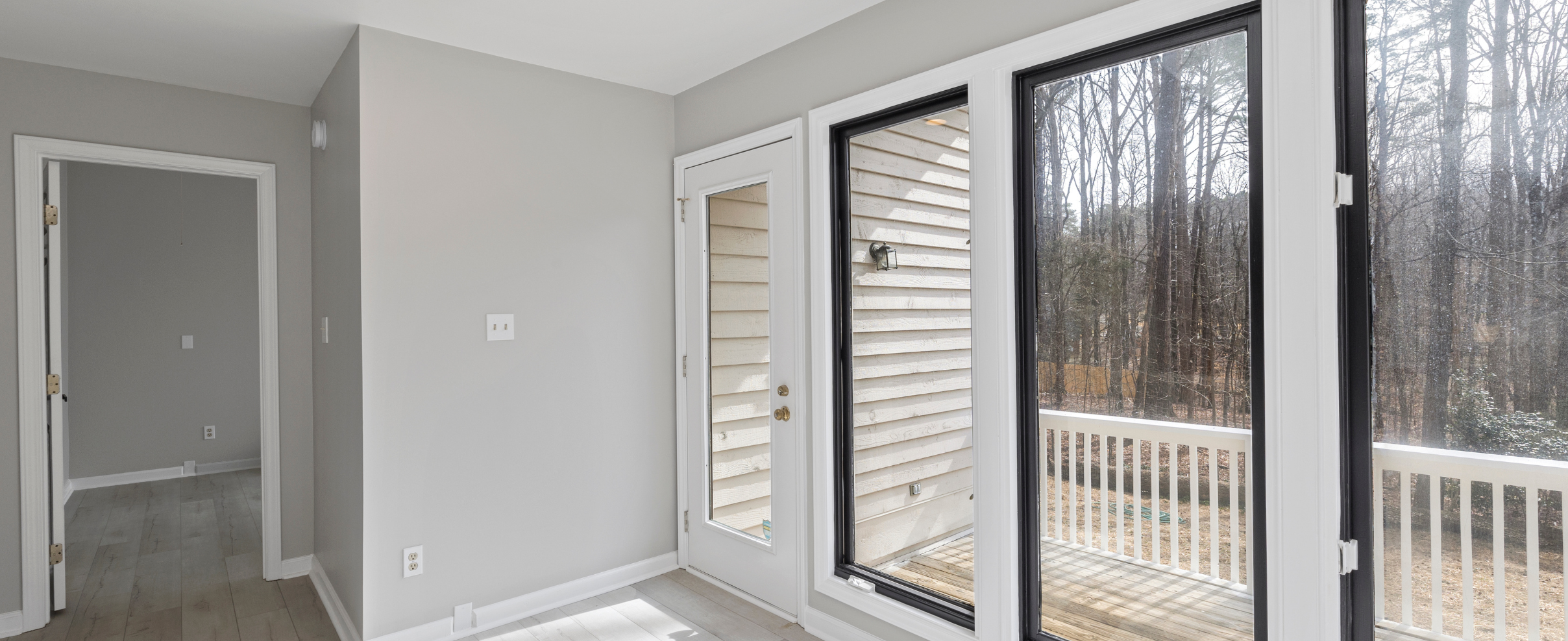
The Truth About “Energy Savings” From Doors and Windows in Connecticut
Drafty Connecticut winters make homes feel uncomfortable in a hurry. If cold radiates through windows or you sense a chill near your front door, your house isn’t just losing heat, it’s leaking comfort.
Replacing doors and windows can reduce heating costs, but here’s the honest version: most homeowners don’t get it.
- Significant improvement is achieved through high-quality air sealing and precise installation, not solely by selecting advanced glazing.
- Comfort increases are noticeable immediately upon eliminating drafts, often preceding visible reductions in energy bills.
- Targeted upgrades (the worst windows and the leakiest doors) can often outperform a whole-house replacement when budgets are tight.
In this guide, you'll learn how to decide what to replace and what to repair, understand which specifications truly matter, and develop a Connecticut project plan that delivers genuine results.
For an informed assessment and transparent estimate, begin here: Carpentry & Handyman Concepts → Request a Free Quote. For comprehensive service information, see Services.
Why Doors and Windows Matter More in CT Than in Many States
Connecticut homes deal with a specific set of stressors:
- Freeze/thaw cycles that open up trim joints and caulk lines
- Wind-driven rain that tests flashing and sill details
- Cold snaps that magnify air leakage (drafts feel stronger)
- Humid summers that swell wood and reveal alignment issues in doors and old sashes
Improper sealing of windows or doors inevitably leads to vulnerabilities that Connecticut's weather will exploit.
And there are two kinds of “loss” you’re fighting:
1) Heat Loss Through Materials (Conduction)
This is where U-factor and glass type matter.
2) Heat Loss Through Air Leakage (Infiltration)
This is where proper installation, weatherstripping, and frame alignment matter, and it’s often the bigger issue.
In plain terms, the most “energy efficient” window in the world still performs poorly if air leaks around the frame.
The Specs That Actually Matter (No Fluff)
If you’ve ever been overwhelmed by window sales language, these are the only specs you really need to understand:
U-Factor (Winter Efficiency)
- Lower U-factor = less heat escaping.
- In CT, lower is generally better, especially on north-facing elevations.
Air Infiltration (Draft Control)
- Lower is better
- This spec matters a lot in windy areas and in older homes.
SHGC (Solar Heat Gain Coefficient)
- Higher SHGC lets more sunlight in
- In CT, moderate SHGC can help with south-facing windows (free winter heat), but a high SHGC can increase summer overheating.
Double vs Triple Pane
- Triple-pane can improve comfort near windows, especially in windy exposures or large glass areas.
- It’s not always necessary everywhere; many CT homeowners do well with high-quality double-pane windows and excellent installation and sealing.
Do You Need Replacement or Repair? Use This CT Checklist
Replace Windows If You Have:
- Fogging between panes (seal failure of the insulated glass unit)
- Rotten sills or soft wood at corners
- Major drafts you can feel even after caulking.
- Windows that don’t lock properly (security + air leakage)
- Persistent condensation due to failing seals (not just indoor humidity)
Repair/Upgrade May Be Enough If:
- The frame is solid, but the weatherstripping is worn.
- The sash needs adjustment, balancing, or lock tuning.
- The draft is mainly from trim gaps and old caulk lines.
- Storm windows are missing or failing.
Replace Doors If You Have:
- Light visible under/around the door
- A threshold that feels soft or rotted
- The door doesn’t latch without pushing/pulling.
- Air leaks around the jamb, even with the new weatherstrip
- Warping or poor fit due to age and humidity
Our team can rapidly and accurately determine whether replacing or repairing is most beneficial for your situation. Request a Free Quote
Material Choices for Connecticut Homes (What We Recommend and Why)
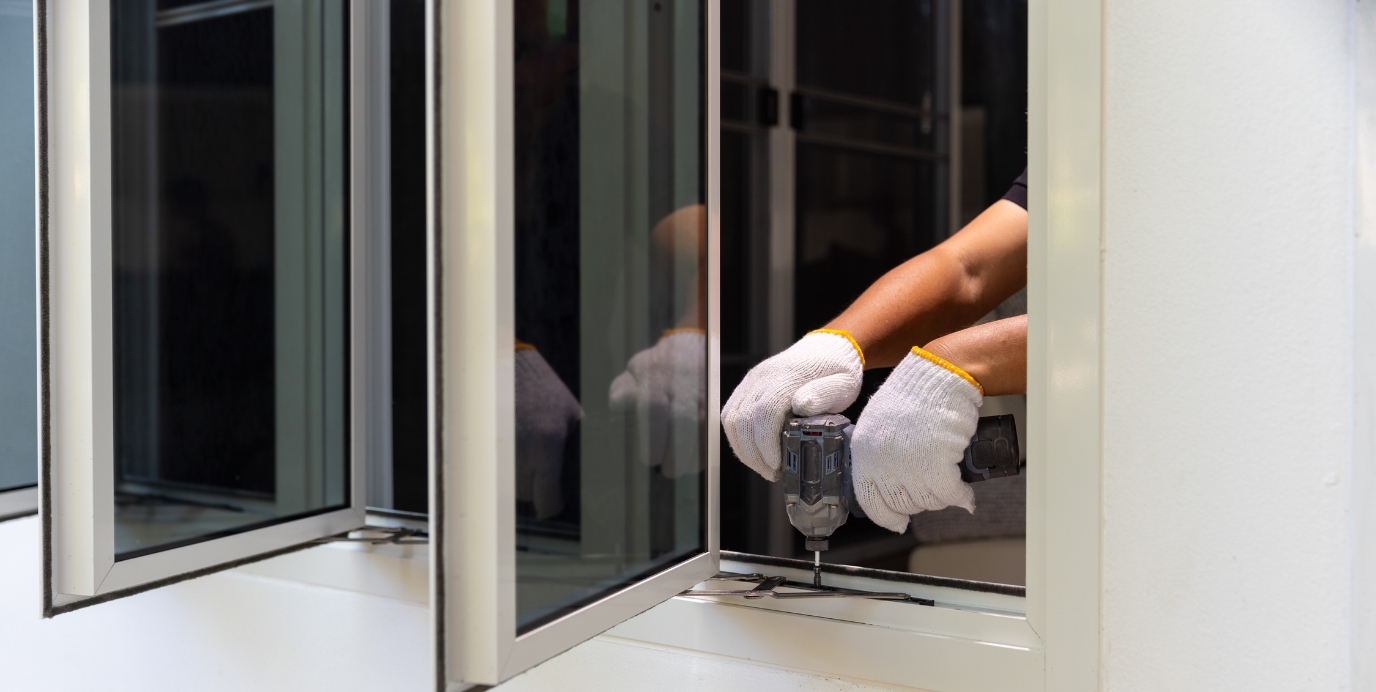
Replacement Windows
Vinyl
- Great value, low maintenance
- Works best when you choose solid construction and proper installation
- Some low-end vinyl can feel “thin” aesthetically.
Fiberglass
- Extremely stable in temperature swings
- Great in CT because it expands/contracts more like glass
- Often, premium performance and paintable for a tailored look
Wood (often with exterior cladding)
- Best “architectural” look for Colonials and traditional homes
- Interior warmth; exterior cladding reduces maintenance
- Typically higher cost, but strong curb appeal
Aluminum (select use)
- Sleek modern look
- Must have strong thermal breaks to avoid cold frames
- Better for modern builds than traditional CT homes
Exterior Doors
Fiberglass
- Excellent insulation
- Stable and durable
- Can mimic wood grain convincingly
Steel
- Strong security and efficiency
- Great value
- Can dent, but performs well.
Wood
- Beautiful, especially for historic homes
- Needs proper overhang and maintenance
- Can warp if exposed without protection
The Real Secret: Installation Quality
Most homeowners focus on window brand and forget the real performance driver: how it’s installed.
A professional install should include:
- Correct flashing strategy (sill first, then jamb, then head)
- Proper integration with the existing weather barrier
- Low-expansion foam insulation where appropriate
- Interior air sealing and proper trim details
- Exterior sealants used correctly (not as a “band-aid”)
- Sills that shed water away from the house
In Connecticut, proper water management is as critical as maximizing energy efficiency. Substandard flashing can lead to concealed structural rot, resulting in significant future repair costs.
Want to see what clean finish work looks like? Browse our craftsmanship: Gallery.
You might wonder what all these changes mean for your wallet. Here's an honest look at potential savings.
Savings depend on variables such as household characteristics, energy type, and the extent of existing air leakage.
In many CT homes, the biggest measurable wins come from:
- Replacing the worst-performing windows (windy sides, old sashes, failed seals)
- Upgrading a leaky front door and sealing the frame
- Addressing major air leaks around trim and old openings
Even if energy savings on paper seem modest, comfort improvements are often dramatic:
- Less cold draft in the entryways and hallways
- More stable room temperatures
- Less HVAC cycling
- Reduced “cold wall” feeling near large windows
If you want a practical approach, we often recommend a tiered plan:
- Replace the worst windows/doors first.
- Seal and tune the remaining ones.
- Phase future replacements as the budget allows
Where to Start: Prioritize Like a Pro
If the budget is limited, start here:
1) Front Door + Weatherstripping + Threshold
This is the “draft highway” in many CT homes.
2) North-Facing and Wind-Exposed Windows
These contribute disproportionately to discomfort.
3) Failed Seals (Foggy Double Pane)
These windows are already compromised.
4) Basement and Attic Doors/Hatches
Often overlooked, but huge leak points.
Need help creating a priority list?
Replacement vs. Storm Windows (A Smart CT Middle Option)
Storm windows can be an underrated move when:
- You want to preserve historic windows.
- Frames are solid, but drafts exist.
- You want improved performance without full replacement cost.
A well-fitted storm can dramatically reduce air leakage and improve comfort, especially when paired with proper weatherstripping.
Exterior Trim, Rot, and Why It’s Part of the Project
Connecticut homes often have older exterior trim and sills that:
- Absorb water
- Split over time
- Lose paint protection
- Allow moisture behind casing.
If you’re replacing windows and ignoring rotted trim, you’re leaving the problem in place.
Our team can handle trim repairs and clean carpentry details as part of the job. Learn more about our work: Services & About.
Common Mistakes That Reduce Energy Savings
- Buying premium windows but leaving air gaps in the installation
- Over-caulking without proper flashing
- Replacing windows but keeping a leaky front door
- Choosing triple-pane everywhere when air leakage is the real issue
- Failing to control humidity and ventilation indoors leads to condensation.
FAQ: Connecticut Door & Window Replacement
Do I need triple-pane windows in CT?Not always. They’re great for windy exposures and large glass. A quality double-pane unit with proper installation is often the best value.
How long does replacement take?It depends on the scope. A single door can be done quickly; multiple windows can take several days. We’ll provide a clear schedule in your quote.
Can you replace only a few windows? Yes, targeted upgrades are common and often the best ROI.
Should I replace a door or just adjust it? If the slab and frame are sound, we can sometimes solve drafts with new weatherstripping, sweeps, and alignment. If the threshold/jamb is rotted or warped, replacement is better.
The Best Next Step (Fast and Simple)
If you want your home warmer, quieter, and more efficient this winter, start with the openings that leak the most.
Call us today to get a free quote.
Carpentry & Handyman Concepts
Explore service options: Services
Start Planning Your Project With A Free Quote!
Book Your Free EstimateRead our latest blog

Flexible Financing With Klarna
We’ve partnered with Klarna to make your next project stress-free. Split your payments into easy installments, enjoy transparent pricing, and get the home upgrades you need now, without waiting.
.png)
Customer Reviews
"Thank you so much, I am very pleased with your work. All of the doors look great. I appreciate your suggestion to do all of the doors, including the inside doors. Much more elegant. You have a great team."

-Susan K.
"Dave was very easy to work with and his prices were reasonable. He would come by to check on his crew and the job. I would definitely recommend Carpentry and Handyman Concepts."

-Kathy L.
"David, and his team are highly skilled pro’s and very knowledgeable about the business, they do an excellent job! I highly recommend them if you are in need of Carpentry And Handyman services."

-Blaine B.
"I would highly recommend Dave from Carpentry and Handyman Concepts. They were efficient, professional, and very knowledgeable. I will definitely have them back at my house for my next project."

-Ashley R.
"Dave and his guys did a great job on a couple of jobs I needed done. So great that I’ve already referred them to someone else! I will definitely be using them again."

-Pam F.
"I would hire David Grecco again in a heartbeat. They were professional, experienced, and good people. I will definitely use him again! Thank you, Linda"

-John O.

Our Location & Business Information
Proudly serving Fairfield County, CT, including Norwalk, Westport, New Canaan, Darien, and Wilton. We deliver licensed, insured, and reliable carpentry, remodeling, and handyman services.